
The Certified Coding Specialist (CCS) credential is one of the most advanced and respected certifications in the medical coding industry. Offered by the American Health Information Management Association, CCS is designed for professionals who want to demonstrate expertise in coding complex medical records, especially in hospital settings. Certified Coding Specialist.
What is CCS Certification?
CCS is a professional certification that validates your ability to convert medical documentation into standardized codes used for billing, reporting, and compliance.
Unlike beginner certifications, CCS is considered more advanced and is ideal for those who want to stand out in the competitive job market.
It goes beyond basic coding knowledge and focuses on:
- Real-world hospital coding
- Clinical understanding
- Application of coding guidelines
Professionals with CCS certification are expected to handle both inpatient and outpatient records with accuracy and confidence.


Who Should Pursue CCS?
CCS is considered an advanced-level certification and is best suited for:
- Medical coders with prior knowledge or experience
- Professionals aiming to work in hospital environments
- Individuals looking to move into auditing, compliance, or DRG-based roles
While beginners can attempt CCS, it is typically pursued after building a strong foundation in coding and medical concepts.
To succeed in CCS, you need both medical and coding knowledge.
Medical Foundation:
- Medical Terminology
- Anatomy and Physiology
- Pathophysiology
- Pharmacology
Coding Systems:
- ICD-10-CM (diagnosis coding)
- ICD-10-PCS (inpatient procedures)
- CPT and HCPCS (outpatient services)
These areas help you understand patient records and assign accurate codes.
CCS Exam Structure
The CCS exam is designed to test real-world coding ability, not just theory.
Key Details:
- Total Questions: 107
- Scored Questions: 97
- Pretest Questions: 10 (not scored)
- Exam Format: Computer-based
- Question Types:
- Multiple choice
- Multiple response
- Case-based scenarios

CCS Exam Domains (What You Are Tested On)
The exam is divided into five main domains, each representing real job skills.
1. Coding Knowledge and Skills
This is the largest portion of the exam.
You will be tested on:
- ICD-10-CM, ICD-10-PCS, CPT, HCPCS coding
- Code sequencing
- Principal diagnosis selection
- DRG and APC concepts
This section focuses on your ability to code full patient cases accurately.
2. Coding Documentation
This domain tests your ability to review medical records.
You need to:
- Identify missing or unclear information
- Detect conflicting documentation
- Ensure documentation supports coding
This is about understanding the record before coding it.
3. Provider Queries
This domain focuses on communication.
You will learn:
- When a query is required
- How to ask correctly (non-leading)
- How to ensure proper documentation
This reflects real-life interaction between coders and physicians.
4. Regulatory Compliance
This section ensures you follow legal and ethical standards.
Topics include:
- Coding guidelines
- Healthcare regulations
- Fraud and abuse prevention
- Ethical coding practices
You are tested on whether you can code accurately and responsibly.

5. Information Technologies
This domain reflects modern healthcare systems.
You should understand:
- Electronic Health Records (EHR)
- Coding software
- Health data systems
This ensures you can work in a digital healthcare environment.
CCS Scoring System Explained
The CCS exam uses a scaled scoring system.
Score Range:
- Minimum: 100
- Maximum: 400
- Passing Score: 300
Coding Books Requirement
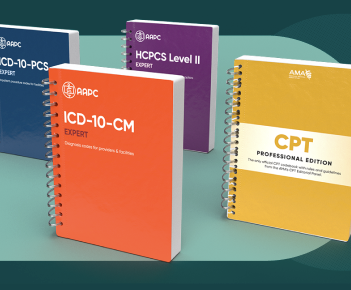
During the exam, you must use official coding manuals:
- ICD-10-CM
- ICD-10-PCS
- CPT
- HCPCS
Only current editions are allowed.

Difficulty Level of CCS
CCS is considered challenging because it tests application, not memorization.
Key challenges include:
- Complex inpatient coding (ICD-10-PCS)
- Case-based scenarios
- Interpretation of clinical documentation
- Application of multiple guidelines
With proper preparation and practice, it is achievable.
How to Prepare for CCS
A structured approach is essential.
Recommended Strategy:
- Build strong basics in medical subjects
- Master coding systems, especially ICD-10-PCS
- Practice real case scenarios
- Review coding guidelines regularly
- Take mock exams
Consistency and practice are key to success.


Career Opportunities After CCS
CCS certification opens up advanced roles such as:
- Inpatient Medical Coder
- Coding Auditor
- DRG Specialist
- Compliance Analyst
- Health Information Professional
It is especially valued in hospitals and large healthcare organizations.
Why CCS is Important
CCS is widely recognized because it reflects real-world coding expertise.
Benefits include:
- Strong industry recognition
- Career advancement opportunities
- Higher-level job roles
- Increased professional credibility

Final Thoughts
The CCS certification is more than just an exam; it is a measure of your ability to work as a professional medical coder in real-world settings.
It tests your knowledge, decision-making, and accuracy across coding, documentation, and compliance.
For those serious about building a long-term career in medical coding, CCS is a powerful and valuable credential.